How to Teach Kids How to Ride a Bicycle
Do you remember how you learned to ride a bike?
A strong push from an older sibling down the hill next to your house? Rickety training wheels wobbling you down the sidewalk?
Many people are still under the impression that using training wheels to get children pedaling is the best way to teach them how to ride a bike. But the times have changed, and the use of training wheels are now out– and balance bikes are IN!
What is a Balance Bike?
These bikes without pedals, sometimes called push or strider bikes, allow your keiki to fully find their balance & get used to being on two-wheels instead of throwing everything at them at once relying on a false sense of balance with training wheels.
Getting the right gear:
Helmets
Proper helmet fit is important when someone is learning to ride.
In Hawai‘i bicyclists under the age of 16 are required to wear a properly fastened helmet when cycling, but HBL recommends helmets for all riders regardless of their age & experience (because the law of gravity doesn’t care how old you are).
How to properly fit a helmet:
There should be space for two fingers between the eyebrow line and the front bottom edge of the helmet. This ensures that the helmet is covering the whole head including the top half of the forehead.
• Make sure the side straps make a “V” surrounding each ear. Then make sure you cannot fit more than 2 fingers into the helmet above the ears.
• Adjust the strap so that you can only fit two fingers between the strap and your chin.
• Finally, perform the “nod test” for confirmation of a secure helmet. Shake your head first in a nodding “yes” and then a shaking “no” motion. If the helmet does not move or it seems secure on the head, it is ready to go.
Push bikes
Also called balance or strider bikes, they are bikes without pedals! 
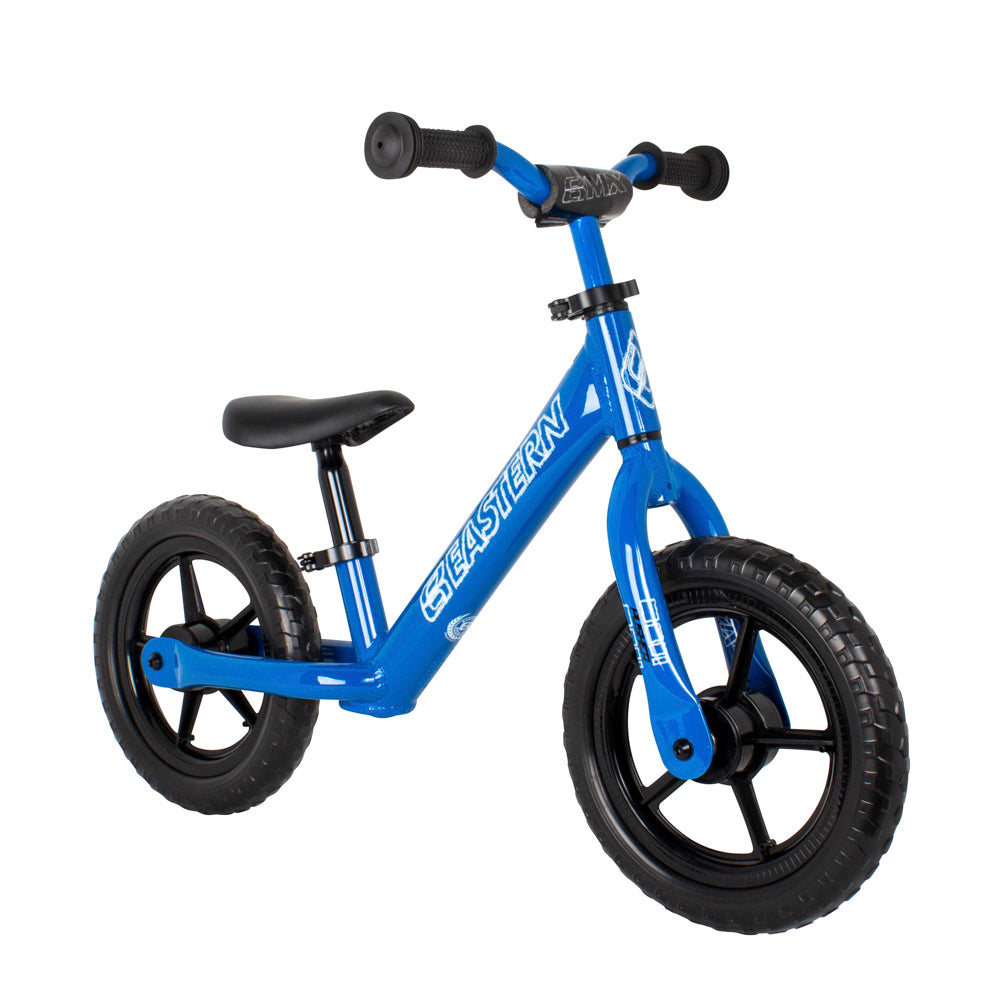
Push bikes are becoming more popular for teaching and learning how to ride a bike. However you can perform the same basic movements encouraged on the striders with a pedal bike.
Balance and push bikes are bikes without pedals that teach kids how to balance. They are becoming more popular for families looking to build confidence and independence for our little people. Ranging in many sizes and models for ages 1 to 21, Striders and other push bikes can be a great tool for learning and building familiarity with biking.
Where to start:
Make it a Safe space
Learning should be done in a space that is safe for your keiki, yourself, and others.
In your quiet driveway, empty parking lot, grassy park (preferably freshly cut so you can see if there are any holes in the ground), or sidewalk.
Safe space also means encouragement along the way and listening to your child’s needs.
Getting them going
Tips on teaching safe practices to get your keiki rolling smoothly & options of where to ride.
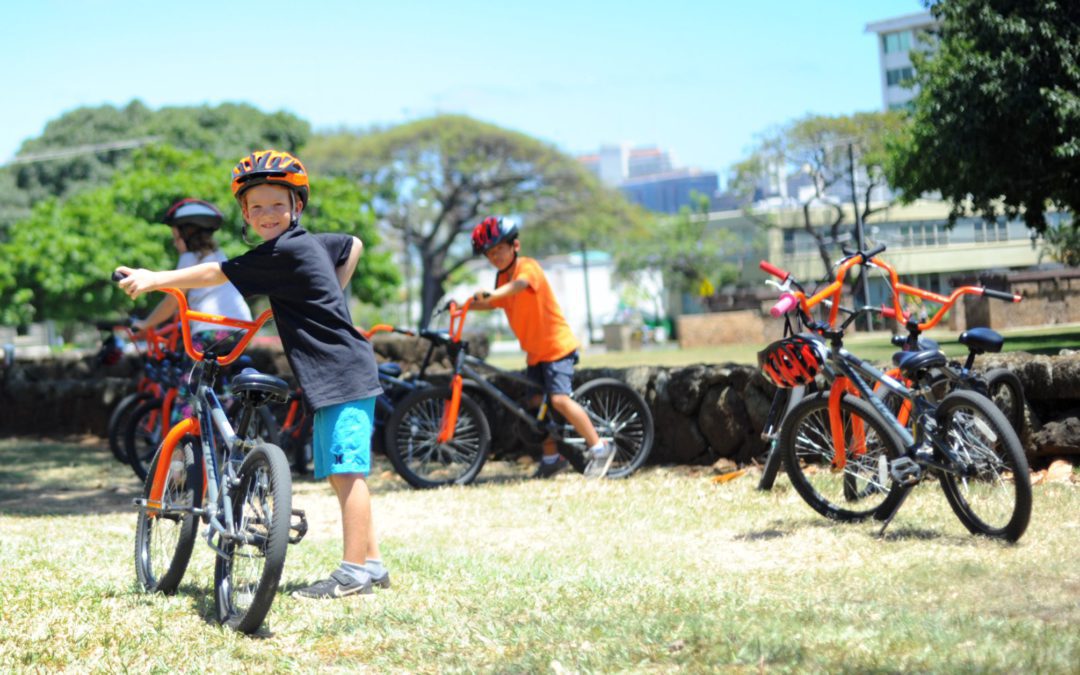
Remove the pedals from the bike or use a balance bike. Lower the seat so that your child’s feet are flat on the ground. If they are not able to do that consider getting a bike that will fit them (a bike that is too large or small will not be safe or comfortable for your keiki to learn).
Balance first: push, roll, run and glide
Pedal: use your feet to push off and glide, then find the pedals
Start from a stop: put one foot on a pedal at 2 o’clock and push off
Learn with the experts!
HBL’s Learning Opportunities for keiki
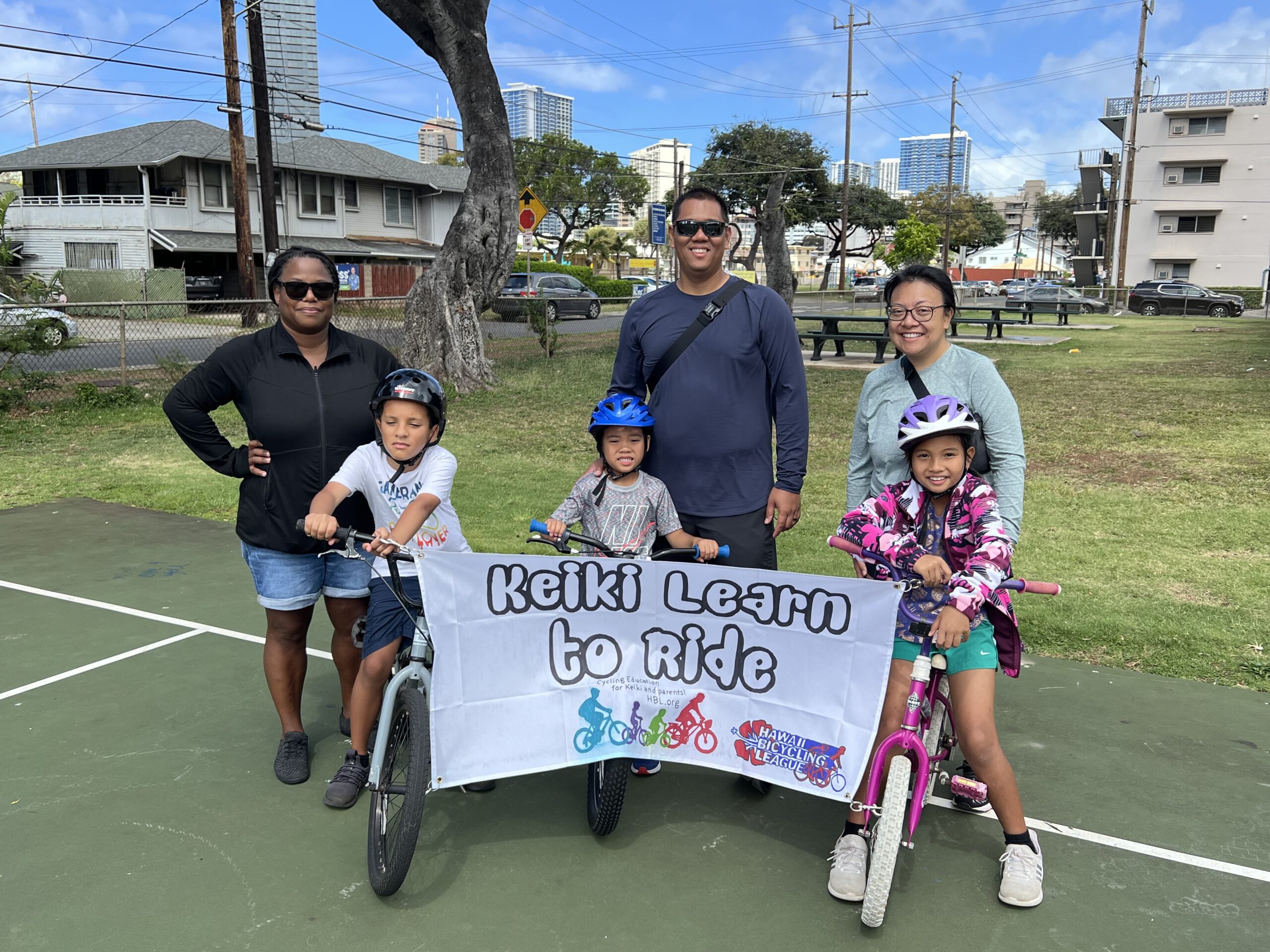
Check out HBLʻs Keiki Learn to Ride lessons or look for a Keiki Bike Rodeo!
Does your child own a bicycle and not know how to use it without training wheels? Our Keiki Learn to Ride class is a great way to change that. We practice the two-foot push method to work on balance and then graduate on to pedaling. Private lessons are available upon request, cost and location is to be decided by the instructor. Find more details about the program and upcoming lessons at HBL.org/KeikiLearnToRide.
NEXT KEIKI LEARN TO RIDE:
10:00 – 11:00am, May 16, 2026 (Saturday)
@Liholiho Elementary School
To get $10 registration for the May 16th Keiki Learn to Ride lesson, use code BIKEMONTH at checkout!